
DESIGNING A FOREVER HOME
10 Features Auckland Families Wish They Included Earlier
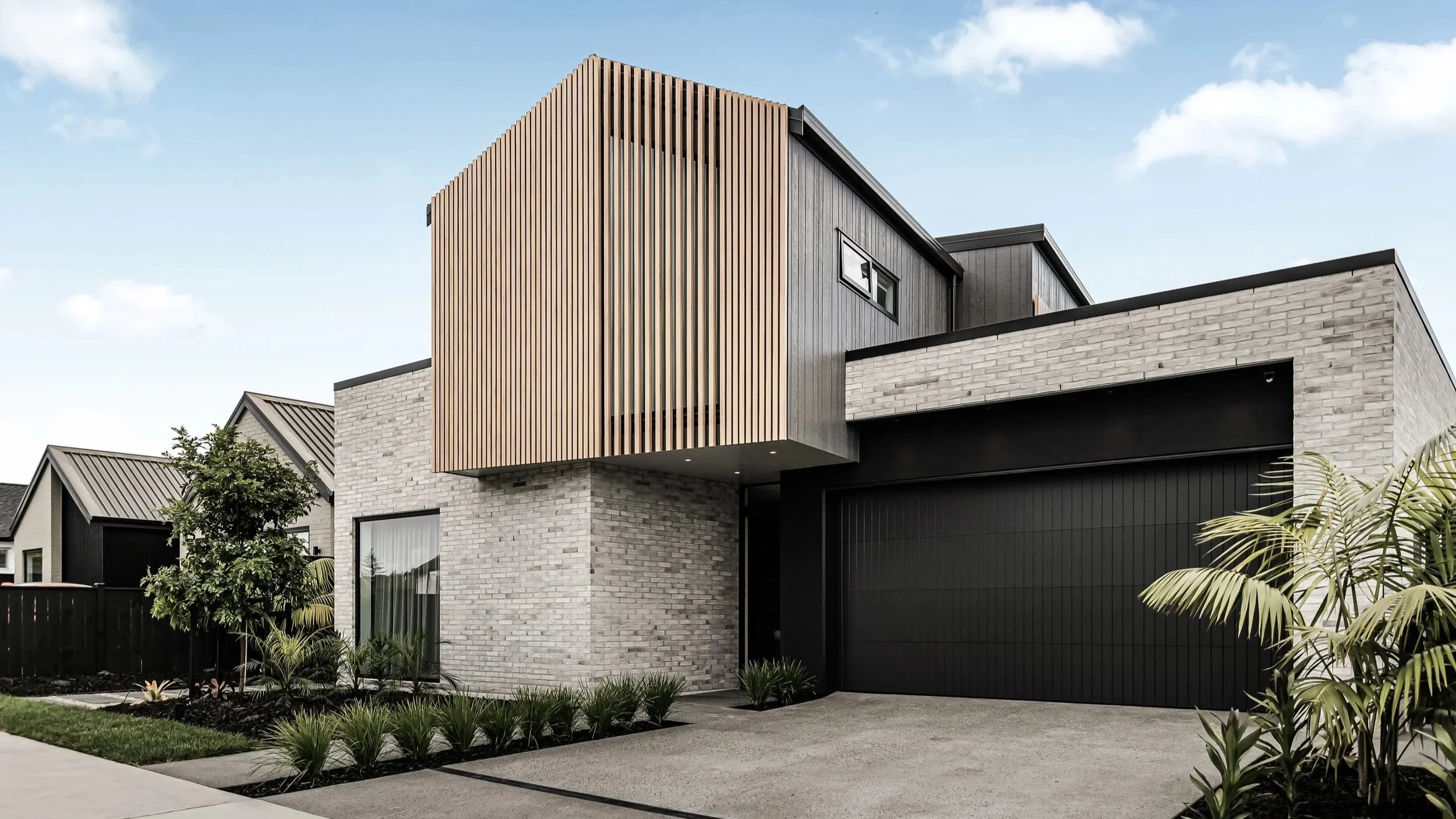
Modern architectural forever home in Auckland designed for family living
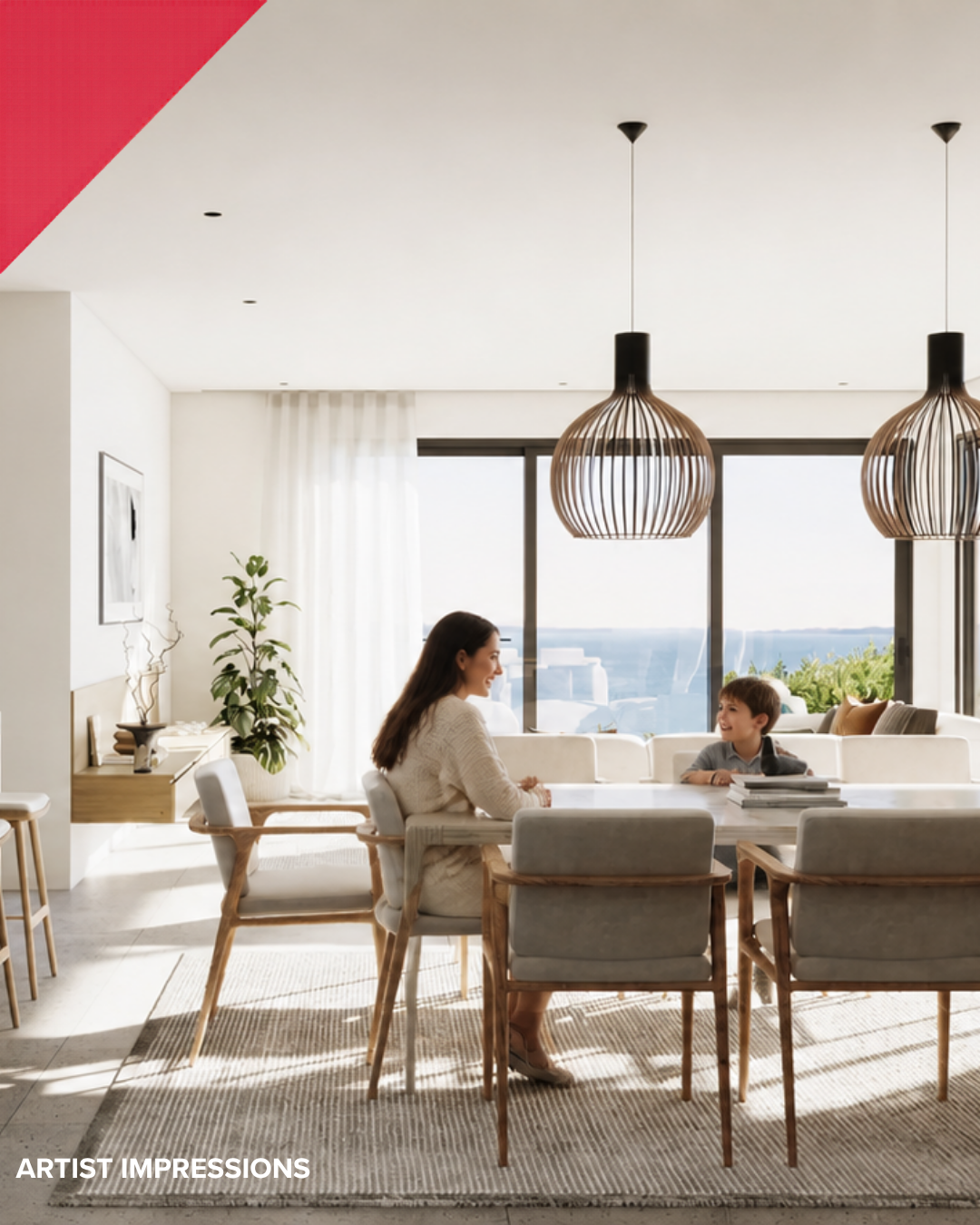
1. Flexible Spaces That Change With Your Family
One of the biggest regrets homeowners have is designing every room for a single purpose.
A nursery becomes a study.
A study becomes a guest room.
A media room becomes a teenager retreat.
Creating adaptable spaces means your home can respond to life as it changes.
Ideas include:
Sliding walls
Multi-purpose rooms
Flexible joinery
Future guest accommodation
Separate zones for growing families
2. More Storage Than You Think You Need
Storage rarely feels excessive once you move in. Hidden storage creates calm and allows spaces to remain refined and uncluttered.
Think beyond wardrobes:
Walk-in storage
Scullery storage
Garage storage
Linen cabinetry
Appliance zones
Beautiful homes feel effortless because practical decisions happened behind the scenes.
3. Natural Light That Works Year-Round
People often think about windows. Few think enough about orientation.
A carefully positioned home can dramatically improve:
Comfort
Energy efficiency
Mood
Connection to outdoors
Good architecture isn’t only what you see — it’s how the space feels.
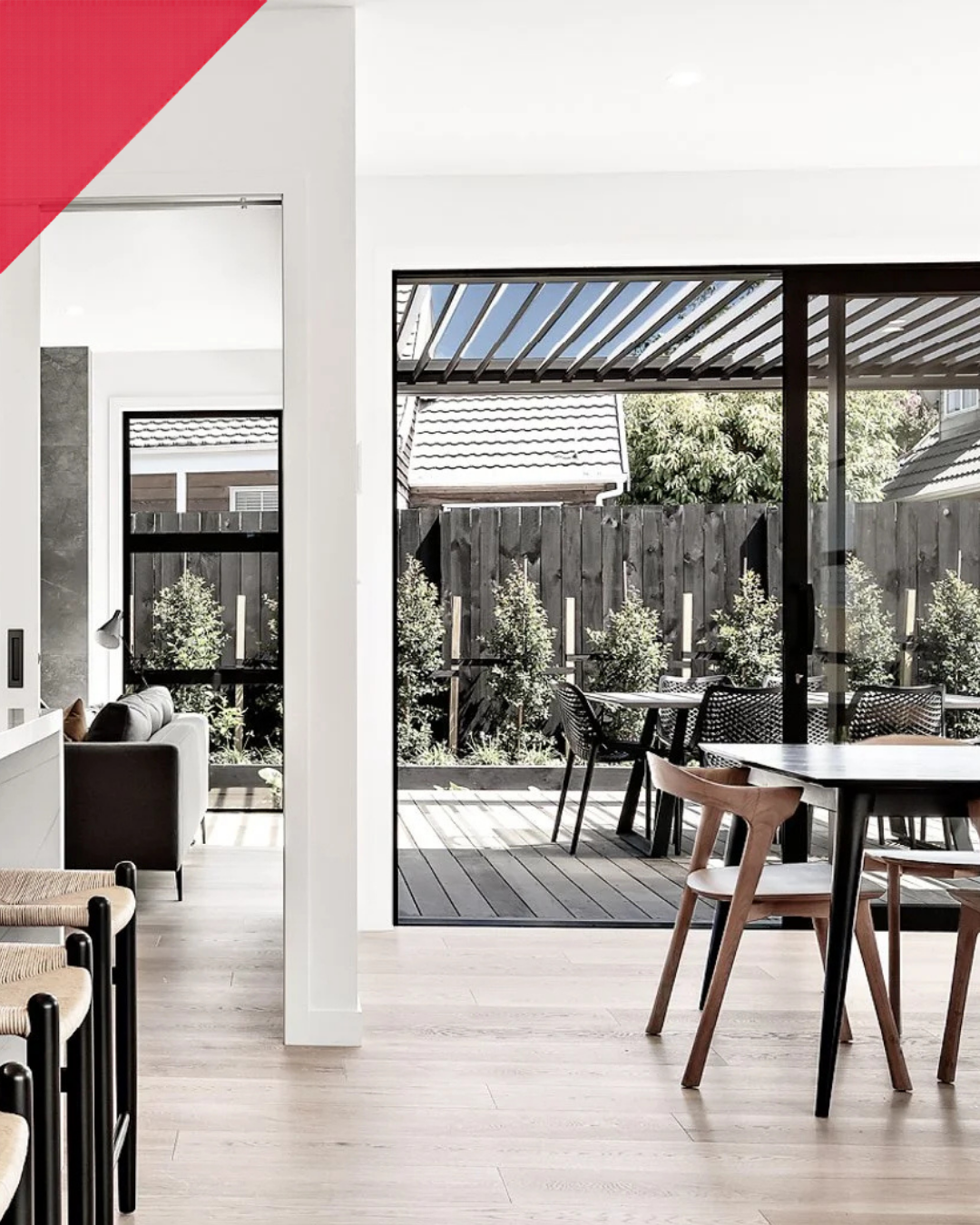
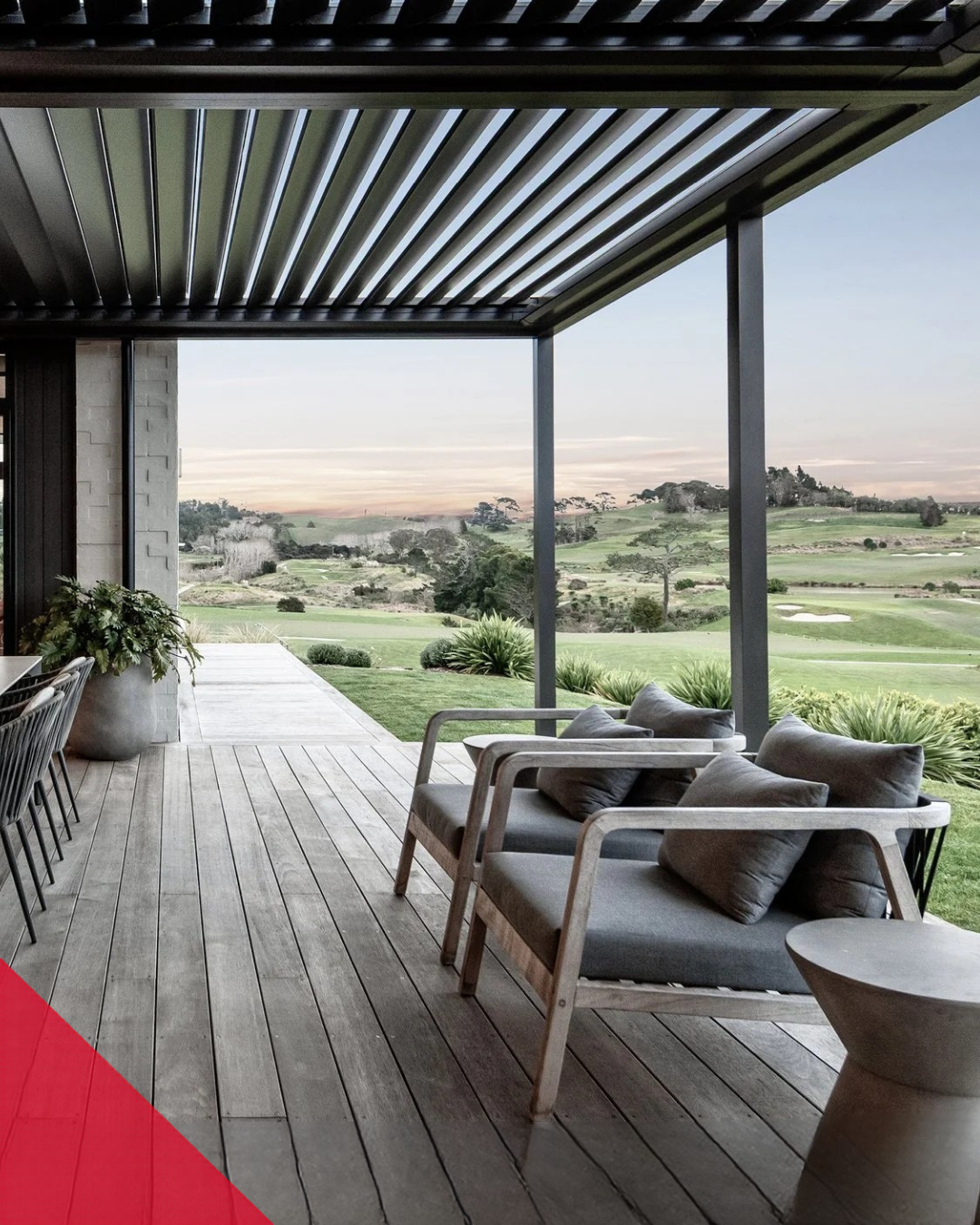
4. Indoor–Outdoor Living That Actually Gets Used
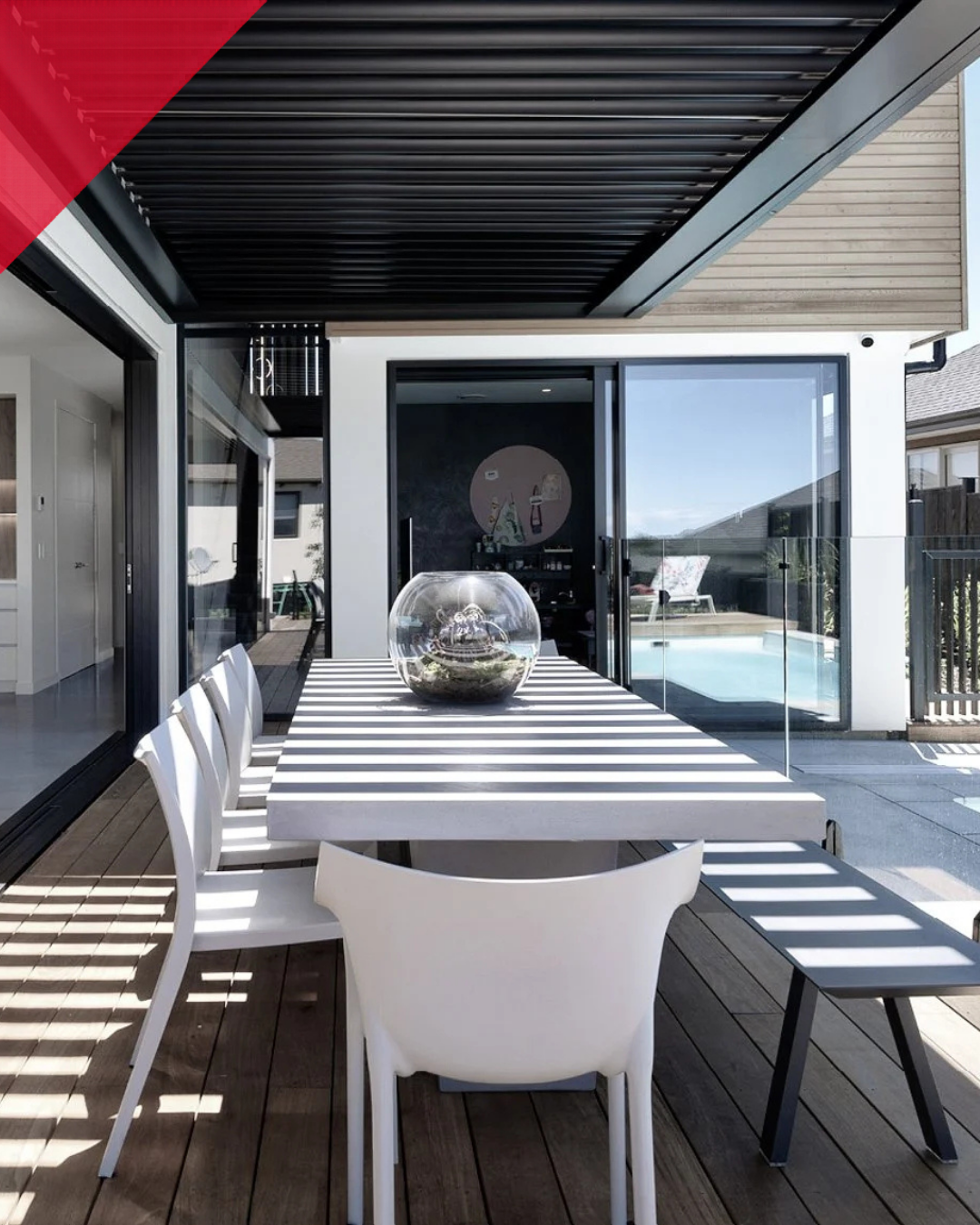
Outdoor spaces should feel connected, not separate.
Covered entertaining areas, protected decks and thoughtful flow often become the most-used spaces in the home.
Questions worth asking:
Will this area work in winter?
Is it sheltered?
Can it expand for entertaining?
5. A Kitchen Designed Around Real Life
The kitchen isn’t just for cooking. It’s where:
school lunches happen
conversations happen
coffee happens
life happens
Features homeowners often appreciate later:
hidden appliance zones
larger islands
integrated storage
oversized pantries
easy garage access
6. Acoustic Privacy
One of the least discussed luxury features, good homes feel peaceful. Consider:
bedroom separation
media room placement
insulated walls
private retreat spaces
Quiet is a luxury that reveals itself over time.
7. Future-Proof Electrical Planning
Many homeowners wish they had included:
more power points
EV readiness
outdoor power
smart home infrastructure
extra data points
Small decisions now can avoid expensive upgrades later. Future-proofing has become one of the most valuable parts of bespoke design.
8. Better Separation Between Family and Guest Spaces
Good zoning transforms daily living. Examples include:
separate children’s wing
quiet retreat spaces
guest accommodation
secondary lounge
Thoughtful separation creates better connection.
9. Designing for Long-Term Accessibility
Future-proofing doesn’t mean designing for old age. It means flexibility. Ideas include:
wider hallways
step-free access
generous bathrooms
single-level options
lift provisions
The best forever homes don’t announce these decisions — they simply make life easier.
10. Designing Around Lifestyle, Not Floor Area
Perhaps the biggest lesson. More square metres doesn’t automatically mean better living.
The best homes reflect:
routines
habits
family dynamics
aspirations
Design should support how you live — not ask you to adapt.
Conclusion
A forever home is rarely defined by trends. It’s created through thoughtful decisions that continue delivering value long after construction is complete.
At Maddren Homes, we believe the most successful homes aren’t simply designed for today — they’re designed for the life still to come.
Because building a home should never feel transactional. It should create a remarkable building journey.
FAQs
What makes a forever home different?
A forever home is designed to adapt to changing lifestyle needs over time rather than only meeting short-term requirements.
How do I future-proof my home?
Focus on layout flexibility, infrastructure planning, storage, accessibility and orientation.
Is a bespoke home worth it?
For families with specific lifestyle requirements, bespoke design can deliver significantly greater long-term value.
Thinking about creating your forever home?
Whether you’re building on your existing site, exploring a knock down & rebuild, or starting with a blank canvas, our team would love to help you explore what’s possible.
Talk to Maddren Homes today.